


PUBLICACIONES RECIENTES
Sativa vs. Índica: La Guía del Conocedor sobre Perfiles Botánicos y Efectos
El binario tradicional de sativa vs indica es en gran medida un vestigio de las clasificaciones botánicas de 1785 que a menudo no logran explicar la química real de tu experiencia. Probablemente has comprado una cepa premium basada en estas etiquetas amplias solo para descubrir que los efectos no coincidieron con la promesa de marketing. Es una frustración común para los entusiastas que valoran la consistencia y la calidad refinada. Te ayudaremos a ir más allá de estas categorías obsoletas para entender la ciencia matizada de los terpenos y cannabinoides.
Descubre cómo dominar la terminología botánica y seleccionar cepas basadas en los 120 marcadores de terpenos conocidos que realmente dictan el sabor y el efecto. Te mostraremos cómo elevar tu ritual de fumar al combinar estos perfiles con el hardware de alta gama adecuado. Esta guía proporciona la experiencia necesaria para transformar un simple hábito en una forma de arte curada. Ganarás la confianza para elegir productos que ofrezcan la experiencia exacta que deseas, cada vez.
Puntos Clave
- Descubre la evolución botánica de sativa vs indica y cómo la geografía dictó las características físicas de estas distintas subespecies.
- Ve más allá de las etiquetas tradicionales para entender cómo los terpenos y cannabinoides actúan como los verdaderos arquitectos de tus efectos preferidos.
- Aprende a curar un ritual de fumar sofisticado combinando perfiles botánicos específicos con tu resultado y entorno deseados.
- Explora cómo el hardware premium preserva la integridad de tu flor para asegurar una sesión de alta calidad enfocada en el sabor.
- Domina el arte de la selección del conocedor para transformar tu experiencia en una exploración refinada de artesanía y calidad.
Sativa vs.Indica: Decodificando el Binario Botánico
Comprender el binario botánico de sativa vs indica es el primer paso hacia una experiencia de cannabis refinada. Los botánicos originalmente identificaron estas dos subespecies distintas basándose en sus estructuras físicas y orígenes geográficos. Mientras que el mercado casual a menudo simplifica esto en una elección entre energía y relajación, el entusiasta moderno sabe que cada variedad de Cannabis ofrece un perfil único de terpenos y cannabinoides. Esta evolución de etiquetas simples a perfiles químicos complejos refleja el cambio cultural más amplio visto en el verdadero significado 420, que pasó de ser un código privado de escuela secundaria en 1971 a un símbolo global de apreciación botánica.
Para entender mejor este concepto, mira este video útil:
Para el verdadero conocedor, la distinción entre sativa vs indica sirve como un punto de partida curado en lugar de un destino final. Vemos estas etiquetas como una abreviatura útil para el linaje físico de una planta. Sin embargo, el consumidor sofisticado busca más allá en los compuestos aromáticos. Un ritual refinado implica descubrir cómo perfiles específicos interactúan con tu fisiología única. Se trata de ir más allá del binario para apreciar la artesanía del cultivo y las sutilezas de la composición química.
El Perfil Tradicional de Sativa
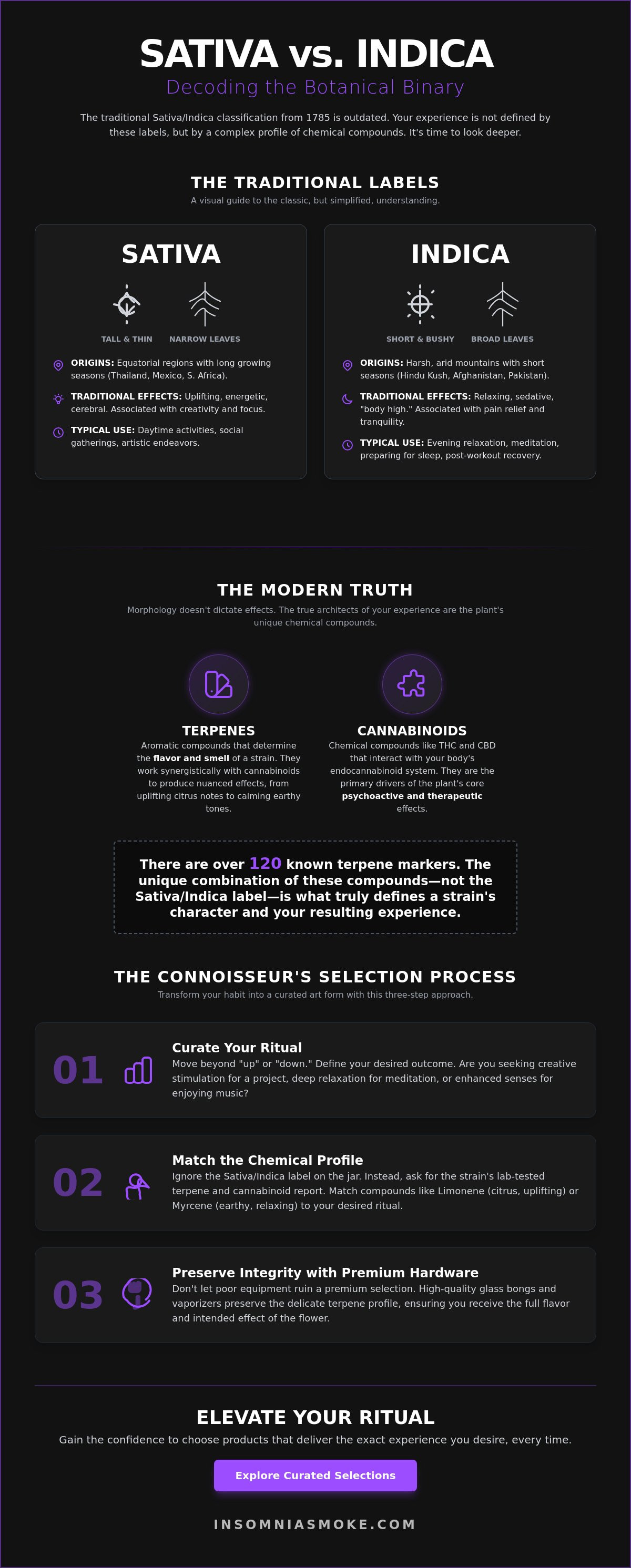
Las sativas son los arquitectos del mundo del cannabis. Estas plantas crecen altas, a menudo superando los 12 pies cuando se cultivan en condiciones óptimas al aire libre. Sus hojas son estrechas y delicadas, un rasgo evolucionado de sus orígenes en los climas húmedos del sudeste asiático y América Central.Cuando eliges una Sativa, estás optando por una experiencia cerebral. Los efectos son típicamente estimulantes y energéticos, despertando un sentido de creatividad que se adapta a actividades artísticas o eventos sociales. Es la selección premium para una tarde de sábado en una galería o una caminata matutina. Estos perfiles a menudo presentan notas brillantes y cítricas que señalan un ritual refrescante, apropiado para el día.
El Perfil Tradicional de Indica
Las Indicas ofrecen una experiencia física y arraigada. Estas plantas son cortas y frondosas, caracterizadas por hojas anchas y de color verde oscuro que los cultivadores llaman "robustas". Debido a que se originaron en la escarpada cordillera del Hindu Kush, desarrollaron un ciclo de floración rápido de 45 a 60 días para vencer el invierno temprano. Esta resistencia resulta en un perfil conocido por sus propiedades sedantes. El "subidón corporal" asociado con las Indicas proporciona un alivio físico significativo y relajación.Es la elección ideal para uso nocturno, ayudándote a pasar de un día laboral de alto estrés a un estado de meditación tranquila. Ya sea que te estés preparando para un sueño profundo o recuperándote después de una intensa sesión de gimnasio, el perfil Indica ofrece una sensación confiable de calma.
Morfología y Orígenes: Cómo el Entorno Moldeó la Planta
El perfil físico del cannabis no es accidental. Es una respuesta biológica a presiones ambientales específicas durante miles de años. Estas plantas se adaptaron a su terroir local, resultando en las características distintivas que reconocemos hoy. Las variedades originales y silvestres se conocen como cepas Landrace. Representan las bases genéticas puras de cada híbrido moderno en el mercado. Comprender la divergencia botánica de Sativa vs. Indica requiere observar los hogares ancestrales donde estos rasgos surgieron por primera vez.
Sativas Ecuatoriales: Persiguiendo el Sol
Las Sativas evolucionaron en las zonas húmedas y tropicales de Tailandia, México y Sudáfrica. Estas regiones ofrecen largas temporadas de cultivo y luz solar intensa. Para prosperar aquí, las Sativas desarrollaron una estructura esbelta, similar a una "enredadera", alcanzando a menudo alturas de 12 pies o más. Esta altura permite que la planta compita por la luz en la vegetación densa. Sus hojas son icónicas: hojas estrechas y delgadas que facilitan altas tasas de transpiración. Esta forma específica de las hojas previene la acumulación de humedad, protegiendo a la planta de los niveles de humedad del 80% comunes en las selvas ecuatoriales. Es un diseño enfocado en la resistencia y el máximo flujo de aire.
Indicas Montañosas: Protegiendo la Resina
Las Indicas cuentan una historia diferente de supervivencia. Originarias de los climas duros y áridos de la cordillera del Hindu Kush entre Afganistán y Pakistán, estas plantas enfrentaron vientos turbulentos y noches heladas. Se adaptaron manteniéndose cerca del suelo, rara vez superando los 4 pies de altura. Sus hojas anchas y de color verde oscuro maximizan la fotosíntesis durante las temporadas de crecimiento más cortas. La adaptación más crítica es la producción abundante de resina. Este recubrimiento pegajoso actúa como un escudo biológico contra la intensa radiación ultravioleta y los vientos mordaces de la montaña. Los aromas penetrantes, terrosos y "a zorrillo" evolucionaron como disuasores químicos para ahuyentar a las plagas de gran altitud. Estos rasgos aseguran el éxito reproductivo de la planta en un paisaje volátil.
El cultivo moderno se ha trasladado al interior, donde los programas de cría han pasado los últimos 40 años difuminando estas líneas botánicas. La mayoría de los productos disponibles hoy en día son polihíbridos, seleccionados por ratios específicos de cannabinoides en lugar de pureza geográfica. Aunque las diferencias visuales siguen siendo una guía útil, el verdadero conocedor busca más allá en el perfil químico.Para elevar tu propio ritual con herramientas seleccionadas que respetan estos orígenes botánicos, descubre nuestra colección de accesorios premium diseñados para el entusiasta moderno.
Más allá de la etiqueta: Por qué los terpenos y cannabinoides importan más
Los botánicos categorizan las plantas por la forma de las hojas y la altura, pero los entusiastas se preocupan por la experiencia. La clásica división sativa vs indica a menudo no tiene en cuenta la complejidad química de la planta. Es la concentración de metabolitos secundarios, específicamente terpenos y cannabinoides, lo que define la calidad de tu sesión. No solo estás consumiendo una planta; estás interactuando con una huella química sofisticada.
Los terpenos son los aceites aromáticos que dictan el sabor y la "vibra" de una cepa. No solo proporcionan aroma; interactúan con tus receptores para modular los efectos del THC y CBD. Esta sinergia se conoce como el Efecto Séquito.Cuando estos compuestos trabajan juntos, crean una profundidad de experiencia que el THC aislado no puede igualar. Puedes ver esta complejidad en La Guía del Conocedor para la Cepa Wedding Cake, donde el perfil de terpenos transforma un híbrido de alta potencia en un ritual de múltiples capas.
La Regla del Mirceno: El Verdadero Indicador de Indica
La investigación sobre la química del cannabis destaca al Mirceno como el terpeno más influyente para la relajación física. Existe un umbral científico: niveles de Mirceno por encima del 0.5 por ciento en peso generalmente resultan en el efecto sedante "Indica" que muchos usuarios buscan para uso nocturno. Si el contenido de Mirceno es menor, la cepa a menudo se presenta como más energética o "con tendencia a Sativa", independientemente de su apariencia física. El Mirceno sirve como el puente químico principal entre la estructura botánica y el efecto fisiológico.
- Limoneno: Proporciona aromas cítricos y promueve un estado de ánimo estimulante y aliviador del estrés.
- Pinene: Huele a pino fresco y apoya la alerta y el enfoque mental.
- Cariofileno: Ofrece notas picantes y de pimienta y es el único terpeno conocido por actuar directamente como un cannabinoide.
Híbridos Modernos: La Realidad 60/40
En el mercado de 2026, las genéticas puras de landrace son una rareza. La mayoría de las marcas premium ofrecen poli-híbridos, que son cruces complejos diseñados para perfiles de sabor específicos y resistencia al crecimiento. Esto hace que la etiqueta sativa vs indica sea más una guía de marketing que una certeza biológica. Para elegir el producto adecuado, debes aprender a leer los informes de laboratorio. Concéntrate en los tres terpenos principales listados en lugar del porcentaje de categoría amplia. Los curadores de alta gama ahora usan términos como "Indica-dominante" para sugerir una dirección general, pero las proporciones químicas específicas proporcionan el verdadero mapa para el conocedor. El descubrimiento comienza con los datos, no solo con el nombre en el frasco.
La Selección del Conocedor: Emparejando Cepas con Rituales Diarios
Elevar tu experiencia requiere ir más allá del simple binario sativa vs indica. Un enfoque sofisticado trata la selección de flores como un sommelier elige una cosecha. Debes tener en cuenta el "Set and Setting," un concepto popularizado por el Dr. Timothy Leary en 1966. Tu mentalidad interna y el entorno físico actúan como la base para cómo los cannabinoides interactúan con tu sistema. Sin intención, incluso la flor de más alta calidad puede no dar en el blanco.
Un ritual curado se basa en comprender genéticas específicas. Los resultados de laboratorio de 2023 indican que los perfiles de terpenos son más predictivos de la experiencia del usuario que la morfología de la planta por sí sola. Mantén un diario de cata para registrar el linaje, los porcentajes de terpenos y tu respuesta física. Rastrear estos puntos de datos te permite replicar resultados específicos con precisión.Convierte un hábito casual en una práctica refinada que respeta la complejidad de la planta.
Dinámicas Diurnas: Sativas e Híbridos Sativa
Selecciona perfiles que mejoren el enfoque sin inducir sobreestimulación. Altas concentraciones de Cariofileno y Limoneno proporcionan una base estimulante y clara. Para evitar el problema común de la "ansiedad Sativa", elige variedades con una proporción equilibrada de 1:1 de THC a CBD o aquellas con niveles totales de THC por debajo del 18 por ciento. Esta moderación asegura productividad durante los rituales matutinos. Combina estas cepas con un café de tueste ligero o una sesión de ejercicio de 30 minutos para catalizar la energía creativa. El objetivo es una elevación funcional que mantenga tu flujo de trabajo durante toda la tarde.
Elegancia Nocturna: Índicas e Híbridos Pesados
Transita hacia la noche priorizando la descompresión. Busca perfiles ricos en Linalool y Mirceno, que promueven la relajación física.Puedes manejar el fuerte efecto de "couchlock" eligiendo híbridos que retengan un pequeño porcentaje de terpenos estimulantes, permitiendo una calma más funcional. Integra estas selecciones en rituales sofisticados como una cena elegante o la lectura de un libro físico. Establecer una rutina de higiene del sueño consistente con estos perfiles puede mejorar la calidad percibida del descanso en un 40 por ciento según datos reportados por los usuarios. La flor de alta calidad debe complementar tu descanso, no dictarlo.
Descubre las herramientas necesarias para una experiencia refinada. Compra nuestra colección curada de accesorios premium para elevar tus rituales diarios.
Curando Tu Sesión: Hardware para Cada Perfil
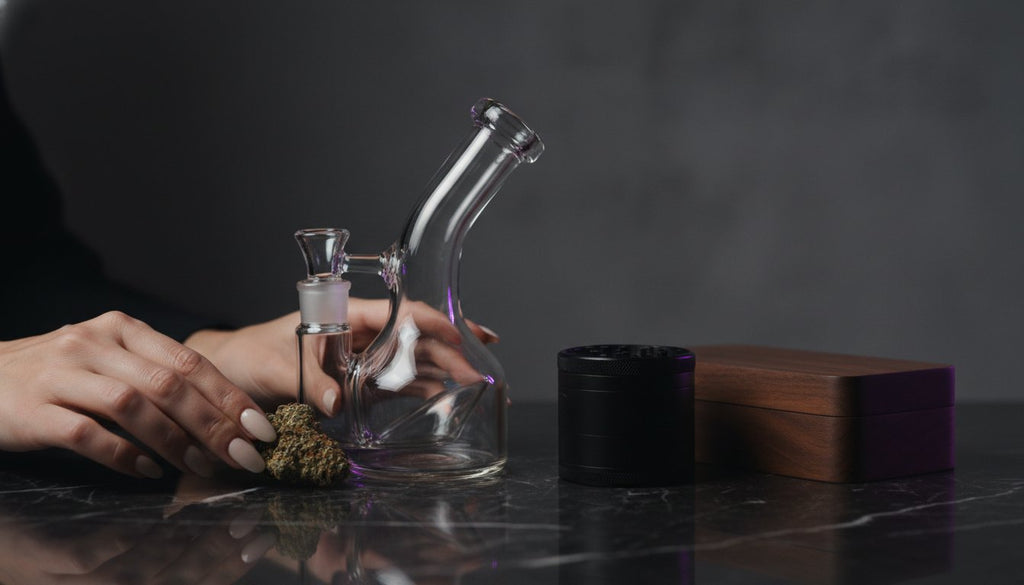
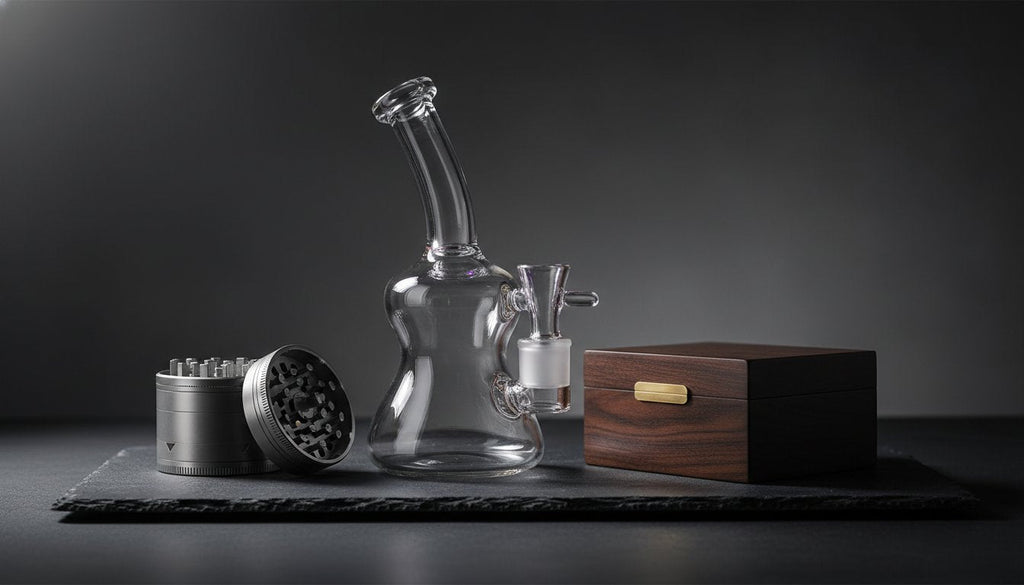
La flor premium merece un enfoque curado que respete su integridad botánica. Cuando inviertes en genética de primera calidad, usar hardware de baja calidad es un deservicio a la compleja química de la planta.El objetivo es preservar el delicado equilibrio de cannabinoides y compuestos aromáticos que definen la experiencia sativa vs indica. Los diferentes métodos de consumo cambian fundamentalmente cómo interactúas con estos perfiles. Una pipa seca ofrece un sabor directo y puro, mientras que un Pipa de agua de alta calidad enfría el humo para revelar notas superiores sutiles que de otro modo se perderían por el calor. Los entusiastas profesionales entienden que el hardware es tan importante como la hierba misma.
Preservar Terpenos con Molienda de Precisión
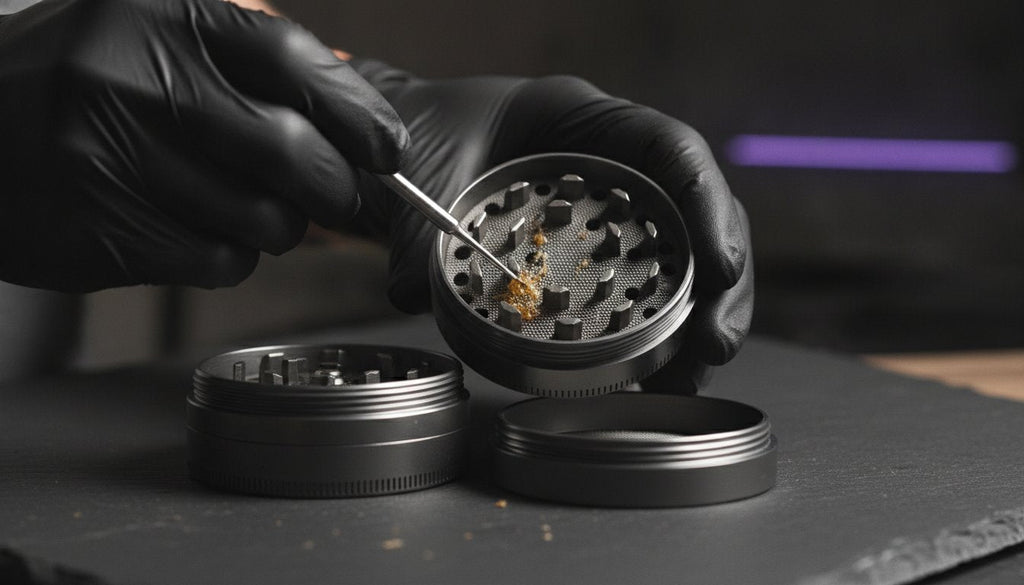
La precisión es innegociable para cualquiera que busque una combustión y sabor consistentes. El Kannastör GR8TR V2 se destaca de las alternativas de plástico barato al proteger los delicados tricomas en lugar de aplastarlos contra el lado de la cámara. Esto es importante porque la densidad física de tu flor cambia cómo debe ser preparada. Las sativas a menudo requieren una molienda más fina para asegurar una combustión consistente y un flujo de aire constante a través del cuenco.En contraste, las Indicas más densas se benefician de una textura más esponjosa que permite que el calor penetre en el material de manera uniforme. Utilizar sistemas de almacenamiento modulares también es una parte clave del proceso. Te permite mantener estos perfiles distintos separados, asegurando que no haya contaminación cruzada de aromas que pueda enturbiar la firma específica de terpenos de tu cepa.
La Experiencia de Cristalería: Session Goods y NWTN
El vidrio limpio es la base de una sesión sofisticada. Un Session Goods Vidrio Bong impecable es la mejor herramienta para saborear las notas cítricas agudas o de pino brillante típicas de una Sativa premium. El diseño aerodinámico asegura que el camino del vapor permanezca sin obstrucciones y puro. Si buscas la experiencia intensa y de cuerpo completo de una Indica potente, un Bong de gravedad como el NWTN proporciona el volumen y la presión necesarios para un impacto más profundo. El ritual de limpiar tu vidrio es el primer paso en una verdadera sesión de conocedor.Asegúrate de que la resina de ayer no enmascare el perfil de terpenos frescos de tu selección actual. Mantener tu equipo es un acto de respeto por el arte del cultivador.
El almacenamiento adecuado es la pieza final del rompecabezas para mantener una colección de alta gama. Descubre RYOT accesorios para soluciones de almacenamiento discretas y de alta gama que priorizan el control de olores y la gestión de la humedad. Estas herramientas protegen tu inversión de la luz y el aire, que son los principales enemigos de la potencia. Al adaptar tu equipo a las características específicas de sativa vs indica , elevas un hábito simple a un ritual refinado. Compra nuestra selección curada de marcas premium para encontrar las herramientas que se adapten a tu estilo de vida y tus estándares de calidad.
Refina Tu Ritual Personal
Entender las diferencias de sativa vs indica es tu primer paso hacia una experiencia más intencionada.Si bien la morfología cuenta parte de la historia, la investigación moderna identifica más de 100 terpenos diferentes que dictan los efectos aromáticos y fisiológicos específicos que sientes. Ir más allá de las etiquetas básicas te permite seleccionar perfiles basados en la complejidad química documentada por primera vez por Jean-Baptiste Lamarck en 1785. El hardware adecuado asegura que estos compuestos delicados se conserven y se entreguen exactamente como se pretende. Las herramientas de alta calidad no son solo una opción; son un requisito para aquellos que aprecian el verdadero potencial botánico de la planta.
La experiencia en botánica merece un nivel de artesanía a la altura en tu equipo. Como distribuidor autorizado de marcas boutique como Session Goods y Kannastör , proporcionamos las herramientas necesarias para honrar cada perfil. Ofrecemos una selección experta de marcas premium con envío mundial directamente desde nuestro centro en la UE. Descubre nuestra colección curada de accesorios para fumar premium para elevar tu próxima sesión. Has dominado la ciencia de la selección; ahora es el momento de perfeccionar tu ceremonia diaria.
Preguntas Frecuentes
¿Es Sativa siempre un "estimulante" e Indica siempre un "relajante"?
No, la clasificación binaria es una abreviatura botánica simplificada en lugar de una regla farmacológica estricta. Los perfiles de terpenos, como niveles de mirceno que superan el 0.5 por ciento, a menudo dictan efectos sedantes independientemente del linaje de la planta. Las pruebas genéticas modernas muestran que el 90 por ciento de las variedades comerciales son en realidad híbridos. Esto significa que los efectos están determinados por composiciones químicas individuales en lugar de categorías amplias.
¿Cómo puedo saber si una planta es Sativa o Indica solo con mirarla?
Puedes identificar estos tipos observando la estructura de sus hojas y su altura.Las plantas Sativa típicamente alcanzan alturas de 12 a 20 pies y presentan hojas delgadas y en forma de dedos. En contraste, las plantas Indica generalmente permanecen por debajo de los 6 pies de altura con hojas anchas y de color verde oscuro. Estos rasgos físicos ayudan a los cultivadores a manejar los ciclos de crecimiento, aunque no siempre predicen el perfil químico final de la flor.
¿Qué son las cepas Landrace y por qué son raras en 2026?
Las cepas Landrace son variedades autóctonas que evolucionaron naturalmente en regiones geográficas específicas como las montañas Hindu Kush o las selvas tailandesas. Son raras en 2026 porque décadas de cruces han creado un mercado donde la genética pura representa menos del 5 por ciento del inventario disponible. Los conocedores las buscan por su pureza genética sin adulterar y sus firmas únicas de terpenos regionales que los híbridos modernos a menudo pierden.
¿Tienen el Sativa y el Indica diferentes proporciones de CBD a THC?
Históricamente, las variedades Indica a menudo contenían niveles más altos de CBD, pero la cría contemporánea ha alterado significativamente estas proporciones. La mayoría de las flores de primera calidad hoy en día, independientemente de la clasificación sativa vs indica, se cultivan para tener un alto contenido de THC, a menudo superando el 20 por ciento. Encontrarás que cultivares medicinales específicos ahora están diseñados para proporciones de 1:1 o 2:1, independientemente de su origen botánico.
¿Qué es el "Efecto Séquito" en la ciencia del cannabis?
El Efecto Séquito describe la interacción sinérgica entre más de 400 compuestos, incluidos cannabinoides y terpenos, que trabajan juntos para mejorar los beneficios terapéuticos. Investigaciones publicadas en el British Journal of Pharmacology sugieren que los extractos de planta completa son 4 veces más efectivos que el THC aislado. Esta sinergia explica por qué una selección curada de flores premium proporciona una experiencia más matizada que los concentrados destilados.
¿Puede una cepa Sativa hacerte sentir somnoliento?
Sí, una Sativa puede inducir somnolencia si contiene altas concentraciones del terpeno mirceno o si la flor fue cosechada tarde en su ciclo. Cuando los tricomas se vuelven ámbar, el THC se degrada en CBN, un cannabinoide conocido por sus propiedades sedantes. Esta transición puede convertir un perfil energizante en uno relajante, ilustrando por qué la distinción sativa vs indica no siempre es un predictor confiable de los niveles de energía.
¿Por qué algunas personas experimentan ansiedad con las cepas Sativa?
La ansiedad a menudo proviene de altas concentraciones de THC combinadas con terpenos estimulantes como el limoneno o el pineno. Estos compuestos pueden aumentar la frecuencia cardíaca y la actividad cerebral, lo que desencadena la respuesta de "lucha o huida" en aproximadamente el 20 por ciento de los usuarios. Elegir un perfil equilibrado o una variedad con mayor contenido de CBD puede ayudar a mitigar estos pensamientos intrusivos y proporcionar un ritual más arraigado.
¿Cómo debo almacenar la flor de Sativa e Indica para mantenerla fresca?
Guarda tu flor premium en frascos de vidrio herméticos en un ambiente fresco y oscuro entre 60 y 70 grados Fahrenheit. Mantener una humedad relativa del 58 al 62 por ciento es esencial para preservar los delicados tricomas y perfiles de terpenos. No dudes en contactarnos para recomendaciones sobre soluciones de control de humedad de alta calidad para proteger tu inversión y asegurar una experiencia de fumar refinada.

