
LEGUTÓBBI BEJEGYZÉSEK
A Rizla ínyencek útmutatója: A sodrás művészetének elsajátítása
A legdrágább virág is gyakorlatilag kárba vész, ha olyan papírba van csomagolva, amely rossz hőmérsékleten ég. Valószínűleg már tapasztaltad azt a frusztrációt, amikor egy gyönyörű tekercset tönkretesz egy papír, amely középen elszakad, vagy egy vastag, fehérített borítás, amely durva, maró befejezéssel elnyomja a terpén profilodat. Amióta Pierre Lacroix 1532-ben papírt cserélt pezsgőre, a rizla technikai mércét állított az iparág számára, mégis sok rajongó küzd az egyenetlen égéssel és a rettegett kenu hatással. Megértjük, hogy a modern ínyenc számára a dohányzás egy kifinomult rituálé, amely precizitást és megbízhatóságot igényel.
Fedezd fel, hogyan emelheted magasabb szintre az élményt a papír súlyának, porozitásának és textúrájának tudományának elsajátításával. Ez az útmutató biztosítja a technikai jártasságot, amely szükséges a tökéletes papír kiválasztásához a sajátos igényeidhez, garantálva a tisztább ízprofilt és a tökéletesen strukturált tekercset minden alkalommal.Fedezd fel a márka 492 éves örökségét, és bontsd le az ultra-vékony és a közepes súlyú papírok konkrét előnyeit, hogy minden alkalommal professzionális eredményeket érhess el. Vásárold meg a gondosan válogatott kínálatunkat, miután megtudtad, mely technikai specifikációk illenek az egyedi stílusodhoz, és emeld a kézművességedet a legmagasabb szintre.
Főbb tanulságok
- Kövesd nyomon a Lacroix család 200 éves örökségét, és fedezd fel, hogyan határozta meg újra ez a francia származású dinasztia a prémium
Sodrópapír szabványait. - Fejtsd meg a színkódolt súlyrendszert, hogy kiválaszthasd a tökéletes rizla vastagságot a preferált sodrási stílusodhoz és tapasztalati szintedhez.
- Értsd meg az anyag nedvessége és a papír sűrűsége közötti kritikus kapcsolatot, hogy minden alkalommal sima, egyenletes égést biztosíts.
- Finomítsd a kézügyességedet a "Tuck and Roll" technika elsajátításával a szakértőink által vezetett technikai mesterkurzuson keresztül.
- Tanulj meg professzionális tárolási szokásokat, hogy megvédd a gyűjteményedet a páratartalomtól, és megőrizd a ragasztó gumi teljesítményét.
A Rizla öröksége: A rizspapírtól a globális ikonig
A Rizla a meghatározó francia születésű
Maga a márkanév is ügyes utalás az anyagi eredetére. A "Riz" a rizs francia szava, amely az első papírjaik fő rostjaként szolgált. A "La+" utótag a Lacroix családnevet képviseli.Miközben a márka a modern kender és fa cellulóz keverékek felé mozdult el az égési egyenletesség javítása érdekében, a név továbbra is a minőség védjegye marad. Ma ez a mérce azok számára, akik elutasítják a tömeggyártott, alacsony minőségű alternatívákat, és inkább egy gondosan összeállított élményt választanak.
Ha szeretnéd látni ezeket a papírokat akció közben, és elsajátítani egy klasszikus sodrási technikát, nézd meg ezt a hasznos útmutatót:
A sodrási innováció rövid története
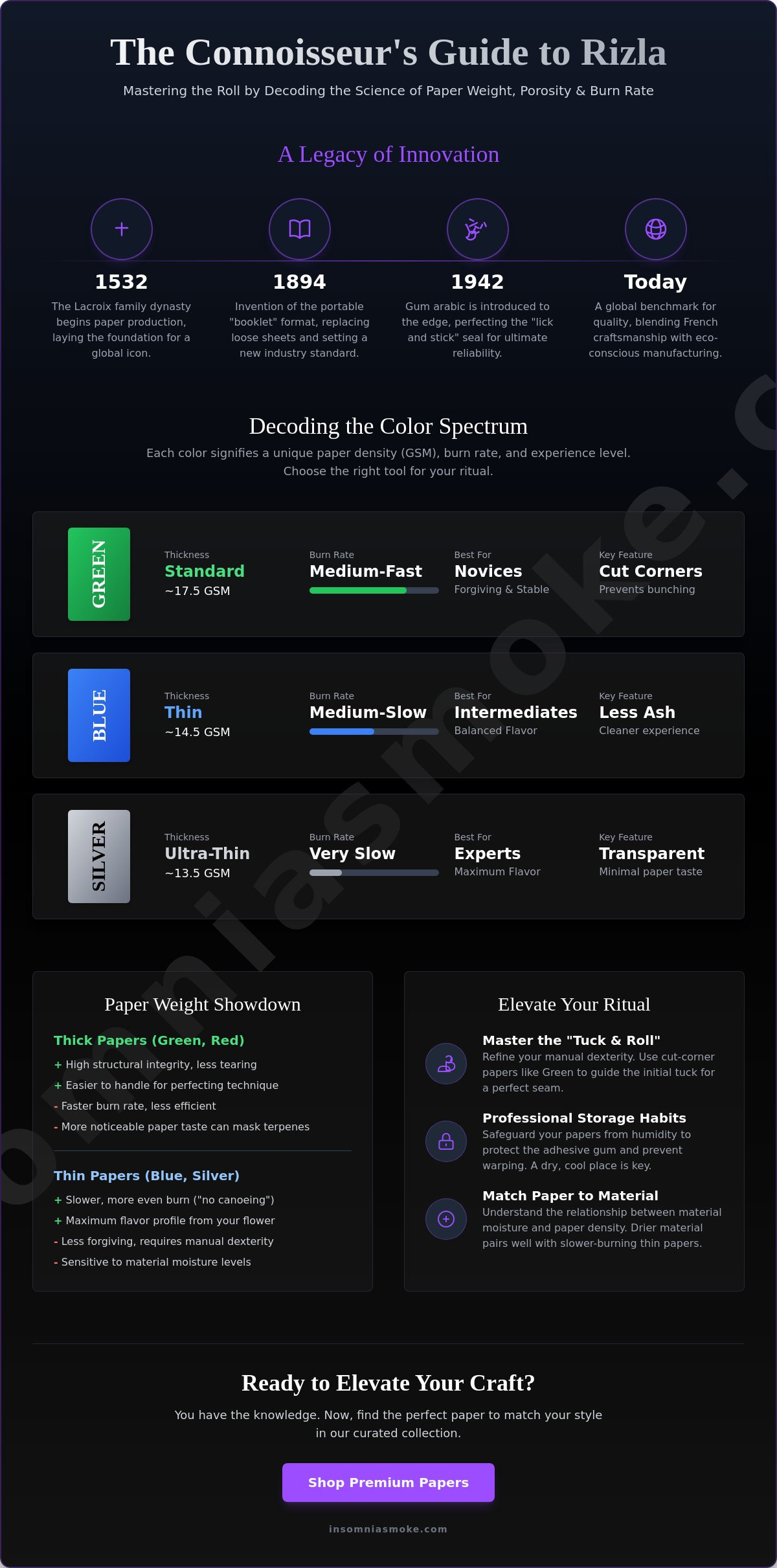
Az innováció határozza meg a Lacroix örökségét. 1796-ban Napóleon szabadalmat adott a családnak, hogy papírt gyártsanak a csapatainak. 1894-re szabadalmaztatták a "füzet" formátumot. Ez a találmány helyettesítette a laza lapokat, és megteremtette a hordozható szabványt, amit ma is használunk. 1942-ben a márka bevezette az arab gumit a papír szélére. Ez a kiegészítés tökéletesítette a "nyalás és ragasztás" módszert, biztosítva a biztonságos zárást minden alkalommal. Ezek a mérföldkövek egy egyszerű eszközt alakítottak át a modern ínyencek kifinomult eszközévé.
Miért Fontos a Márkaörökség a Modern Dohányos Számára
A következetesség a prémium márka lelke. Egy "Zöld" rizla, amelyet 2026-ban vásárolnak, ugyanazt a súlyt és textúrát kínálja, mint amit az előző generációk használtak. Ez a megbízhatóság bizalmat épít. A 21. században bekövetkezett változások során a márka fenntartható rostokat és környezettudatos gyártási folyamatokat vezetett be. Ezek a frissítések megfelelnek a modern szabványoknak anélkül, hogy feláldoznák az égési sebességet vagy a szerkezeti integritást. A Rizla a francia kézművesség és a funkcionális dizájn tökéletes metszéspontját képviseli.
- 1532: A Lacroix család megkezdi a papírgyártást.
-
1894: A
Sodrópapír füzet feltalálása. - 1942: Arab gumi integrálása a könnyebb zárás érdekében.
- Jelen: A minőség és megbízhatóság globális ikonja.
Egy hagyományos márka választása azt jelenti, hogy nem csak papírt vásárolsz. Részt veszel egy kiválósági hagyományban, amelyet több mint 490 év alatt finomítottak. Ez a rost érzéséről és az égés kiszámíthatóságáról szól. Azok számára, akik a sodrást kifinomult rituálénak tekintik, nincs helyettesítője ennek a szintű történelmi szakértelemnek.
A Rizla színspektrumának dekódolása: Súlyok és vastagságok
A Rizla teljes portfólióját egy pontos, színkódolt hierarchia alapján szervezi, amely egy pillantásra azonosítja a papír sűrűségét. Ez a rendszer nem csak a márkázásról szól; meghatározza az égési sebességet és az ízprofil intenzitását. Általában minél sötétebb a csomagolás, annál vastagabb lesz a papír. Míg a dohányzás története a tömeggyártott kényelem felé mutat, a modern ínyencek ezeket a színkülönbségeket használják az élmény testreszabására.A GSM (gramm per négyzetméter) megértése minden szín esetében az első lépés a tekercselés mesterévé válás felé.
Vastag Papírok (Piros & Zöld): Stabilitás és Könnyedség
A Piros és Zöld változatok a rizla katalógus "Standard" súlyát képviselik, általában körülbelül 17,5 GSM méréssel. Ez a nagyobb sűrűség jelentős szerkezeti integritást biztosít, így ezek az elsődleges választás azok számára, akik még mindig tökéletesítik a kézi tekercselési technikájukat. A vastagság biztosítja, hogy a papír ne szakadjon könnyen feszültség alatt. A zöld papírok egyedi funkcionális kialakítással rendelkeznek, levágott sarkokkal. Ezek a 45 fokos bevágások lehetővé teszik, hogy a papír simán hajtódjon az első hajtás során, csökkentve a varratnál a tömeget. Nagyobb anyagvolumenük miatt ezek a papírok gyorsabb égési profillal rendelkeznek és jelentősebb hamut termelnek. Hihetetlenül megbocsátóak a kezdők számára, akiknek egy erős, megbízható közegre van szükségük.
Vékony Papírok (Kék & Ezüst): Az Ínyencek Választása
A kék és ezüst papírok azoknak a ízpuristáknak készültek, akik minimalizálni szeretnék a borítás jelenlétét. A kék papírok középkategóriásak 14,5 GSM-nél, míg az ezüst a csúcsot képviseli a rendkívül alacsony 12,5 GSM-mel. Ezek az ultra-vékony méretek "ízmentes" füstöt hoznak létre, amely lehetővé teszi, hogy az anyagod specifikus terpénjei kerüljenek előtérbe. Az ezüst papírok speciális lassú égési technológiát alkalmaznak; úgy vannak tervezve, hogy kialudjanak, ha nem szívják őket aktívan. Magas átlátszóságuk a prémium minőség jele, lehetővé téve, hogy tisztán láthasd a tartalmat a papíron keresztül. Az ezüst papírral való tökéletes sodrás elérése finom érintést igényel, mivel a vékony szálak kevesebb súrlódást biztosítanak, mint vastagabb társaik.
Különleges papírok és precíziós változatok
A hagyományos spektrumon túl a márka különleges anyagokat vezetett be a modern igények kielégítésére. A Rizla Bamboo fenntartható, famentes alternatívát kínál egyedi tapintású fogással, amelyet sokan könnyebben kezelhetőnek találnak, mint az ultra-vékony fa pépet. A kender változatok természetes, földes esztétikát és kissé eltérő égési sebességet kínálnak, amely vonzó az organikus rajongók számára. Azok számára, akik abszolút következetességet igényelnek, a Precision sorozat a teljes katalógus legvékonyabb profilját kínálja, amelyet maximális átláthatóságra és nulla interferenciára terveztek. A prémium kollekciót vásárolva megtalálhatod azt a specifikus súlyt, amely kiegészíti a preferált rituálédat.
Anyaghoz illesztés: Mikor melyik Rizlát használjuk
A megfelelő papír kiválasztása megköveteli az anyag nedvességtartalmának és sűrűségének megértését.A magas nedvességtartalom gyakran vastagabb papírt igényel, mint például a Rizla Red vagy Green, hogy fenntartsa az egyenletes égést. Ezek a közepes súlyú papírok biztosítják a szükséges szerkezeti integritást ahhoz, hogy a kissé nedves gyógynövényt kezeljék anélkül, hogy a szesszió közepén kialudnának. Ezzel szemben a száraz anyag gyorsan ég. A száraz gyógynövény párosítása egy ultra-vékony Silver papírral kiegyensúlyozott égési sebességet hoz létre, amely lassítja az égést, lehetővé téve, hogy élvezze az élményt, ahelyett, hogy sietne.
A páratartalom is befolyásolja a papír teljesítményét. Nedves környezetben a vékony papírok felszívják a környezeti nedvességet, és nehezen záródhatnak. A profi sodrók gyakran váltanak egy kicsit vastagabb papírra 65% páratartalom vagy annál magasabb esetén, hogy biztosítsák a ragasztócsík szilárdan tartását. Ez a megbízhatóságra és anyagtudományra való összpontosítás a márka védjegye.Ezeket a gyártási szabványokat vissza lehet vezetni Rizla brit ipari történelmére, , amely kiemeli, hogyan finomította a vállalat a papír súlyait, hogy megfeleljen a különböző fogyasztói igényeknek az évtizedek során.
A darálás szerepe
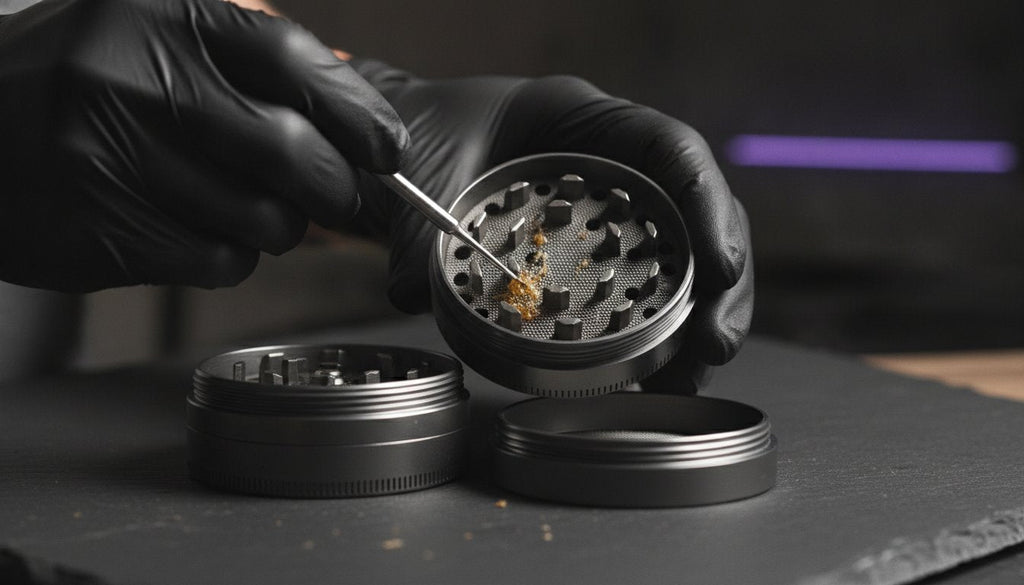
A gyógynövény textúrája a tekerés alapja. Egy egyenetlen, szaggatott darálás éles széleket hoz létre, amelyek könnyen átszúrják az ultra-vékony Silver vagy Precision papírokat. Ez rontja a légáramlást és pazarolja a prémium anyagot. A tökéletes tekerés a
Ízmegőrzés vs. égési sebesség
A környezet és a szándék vezérelje a választását.Válaszd a Rizla Red vagy Green papírokat kültéri használatra vagy szeles körülményekhez. Ezek a papírok stabilitásra lettek tervezve; erős égést biztosítanak, amely ellenáll a szélben való kialvásnak. Csendes beltéri alkalmakra, ahol az íz finomsága a prioritás, válaszd a Silver vagy Precision papírokat. Ezek a papírok jelentősen vékonyabbak és kevesebb hamut termelnek, biztosítva, hogy a gyógynövényed botanikai profilját ne fedje el az égő fa pépje.
Végezd el a "Papír Íz" tesztet, hogy megbizonyosodj róla, hogy a megfelelő választást tetted. Gyújtsd meg a választott papírod egy kis sarkát gyógynövény nélkül. Ha a füst csípős szagú vagy nehéz maradványt hagy, az elnyomhatja az anyagodat. A párosítás gondos kiválasztása biztosítja, hogy a rizla amit választasz, fokozza a rituálét, ahelyett, hogy elvonná a figyelmet róla. Koncentrálj az őrlés, a nedvesség és a papír súlya közötti szinergiára, hogy professzionális szintű eredményt érj el.Kiváló minőségű rizla papírok a szakértők eszközei, és mint minden eszköz, akkor teljesítenek a legjobban, ha a megfelelő feladathoz illeszkednek.
Hogyan sodorjunk Rizlával: Technikai mesterkurzus
A sodrás rituáléjának elsajátítása türelmet és precizitást igényel. Egy gondosan kialakított környezet megteremti a prémium élmény alapját. Tisztítsd meg a munkaterületed a rendetlenségtől. Használj egy dedikált
Lépésről lépésre: A tökéletes sodrás
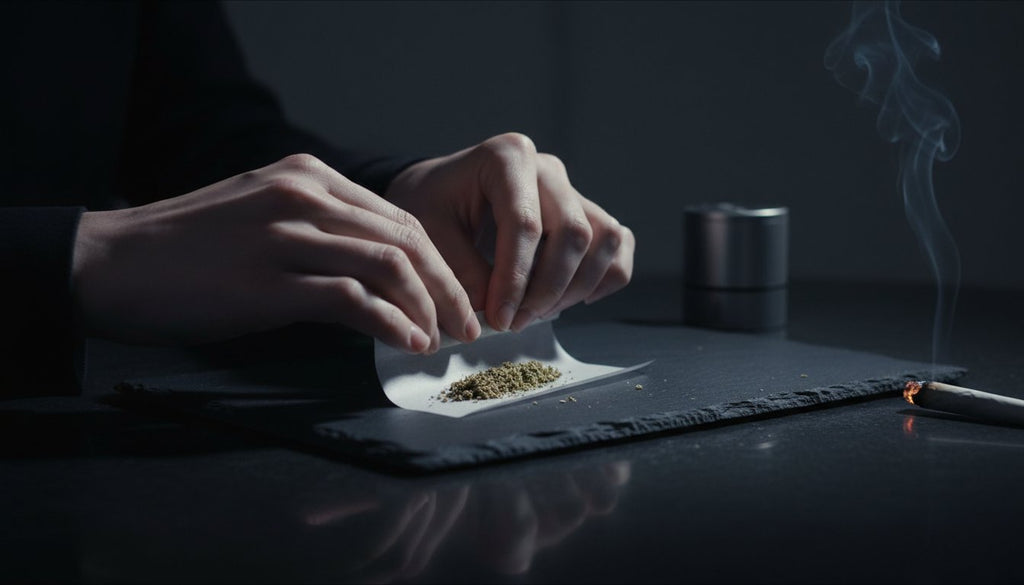
A professzionális eredmény elérése az első beállításon múlik. Kövesd ezt a négy lépést, hogy fejleszd a technikádat és biztosítsd az egyenletes égést.
- Lépés 1: Megfelelő elosztás.Fektesd le a rizla papírt laposan, a ragasztós csíkkal felfelé. Oszd el egyenletesen az anyagot a középső hajtás mentén. Törekedj 0,75 grammra egy standard méretű papírhoz, hogy biztosítsd az egyenletes égési sebességet anélkül, hogy eltömődne.
- 2. lépés: A henger formázása. Fogd meg a papírt mindkét kezeddel. Használd a hüvelyk- és mutatóujjaidat, hogy előre-hátra görgesd az anyagot. Ez a mozdulat egyenletes henger alakúra tömöríti a tartalmat, ami elengedhetetlen a légáramláshoz.
- 3. lépés: A hajtás. Ez a szakasz határozza meg a tekercs minőségét. Hajtsd a nem ragasztós szélét az anyag fölé. Használd a hüvelykujjaidat, hogy a papírt lefelé és az anyag alá vezesd. Szilárdnak, de nem szorosnak kell érezni; a szoros hajtás megakadályozza, hogy a papír kibomoljon.
- 4. lépés: A lezárás. Vigyél fel egy kis mennyiségű nedvességet a természetes gumiarábikum csíkra.Kerüld a túlzott nedvesítést, mivel a felesleges nedvesség ronthatja a papír szerkezeti integritását. Nyomd le szorosan a csíkot a henger teljes hosszában.
Gyakori sodrási problémák elhárítása
Még a tapasztalt rajongók is találkoznak akadályokkal. A "terhes" sodrás, amelyet a középen lévő dudor jellemez, általában abból adódik, hogy túl sok anyagot koncentrálnak a közepére. Ennek javításához oszd el a keveréket kissé inkább a végek felé, mielőtt elkezdenéd a hajtogatást. Ez kiegyensúlyozott légáramlást és esztétikusabb profilt eredményez.
A kenuzás akkor fordul elő, amikor az egyik oldal gyorsabban ég, mint a másik. Ez általában az egyenetlen sűrűség vagy rejtett légzsebek miatt történik. Győződj meg róla, hogy az anyagod egyenletes 2 milliméteres textúrára van őrölve. Ha rést észlelsz a végén, használj egy speciális eszközt a tartalom leülepítésére. Egy profi tipp a hibátlan befejezéshez, ha egy
Technikád finomítása egy egyszerű szokást kifinomult rituálévá alakít. Tapasztald meg a különbséget, amit a prémium kiegészítők nyújtanak, ha a megfelelő eszközöket választod a gyűjteményedhez. Vásárolj a gondosan válogatott sodró kellékeink közül, hogy tökéletesítsd a következő alkalmat.
A rituálé emelése: Tárolás és hordozhatóság
A páratartalom csendes szabotőrként működik bármely
A rizla papírok integrálása a modern életstílusba megköveteli a hozzáférhetőség és a diszkréció egyensúlyát. A cél az, hogy elkerüljük a zsúfolt zsebeket, és egy olyan összeállított készlet felé haladjunk, amely tükrözi a professzionális színvonalat. A kiváló minőségű tárolási megoldások egy laza kiegészítő gyűjteményt összefüggő eszközkészletté alakítanak. Ez a szervezettség biztosítja, hogy soha ne kelljen keresgélned egy eltévedt szűrőt vagy egy elveszett öngyújtót, amikor eljön a szünet ideje.
Diszkrét Tárolási Megoldások
A modern rajongó értékeli a diszkréciót és a szervezettséget. A utazás dohányzási felszereléssel útmutató segít kezelni a készletedet utazás közben, miközben a beállításod professzionális marad. Napi használatra a
A sodrás jövője
Az ipar egyre inkább a fenntarthatóbb és kísérletezőbb lehetőségek felé mozdul el. Egyre több fa-mentes papírt látunk, amelyek kenderből vagy bambuszból készülnek, valamint kifinomult ízesített infúziókat, amelyek fokozzák a gyógynövényed profilját. rizla továbbra is alkalmazkodik ehhez a prémium butik piacához azáltal, hogy klasszikus kínálatát finomítja az új generációs ínyencek számára, akik mind a teljesítményt, mind a környezeti felelősséget megkövetelik. A sodrás rituáléja egy meditatív szünet a rohanó világban. Ez egy mesterség, amely türelmet és precizitást jutalmaz, egy egyszerű szokást kifinomult élménnyé alakítva.Fedezd fel a prémium dohányzási kiegészítők gondosan válogatott kínálatát, hogy teljessé tedd gyűjteményed és mesterévé válj a sodrás művészetének.
Emeld magasabb szintre a sodrási rituálédat
A sodrás mesteri elsajátítása több mint gyakorlás; megköveteli a tiszteletet a hagyomány iránt, amely akkor kezdődött, amikor a Lacroix család megkapta első papírgyártási szabadalmát 1796-ban. Felfedezted, hogyan befolyásolják a különböző papírsúlyok az égési sebességet, és megtanultad kiválasztani az ideális vastagságot az adott anyagodhoz. Ezeknek a kifinomult technikáknak az alkalmazásával egy egyszerű szokást precíz kézművességgé alakítasz. Arról szól, hogy megtaláld a tökéletes egyensúlyt a hagyomány és a személyes preferencia között, hogy minden alkalom megfeleljen egy igazi ínyenc magas elvárásainak.
A minőségi anyagok megérdemlik az ugyanolyan kifinomult eszközöket, hogy megőrizzék integritásukat. Európai butikunk szakértői válogatást kínál azok számára, akik értékelik a teljesítményt és az esztétikát.Olyan világszínvonalú márkákat kínálunk, mint a
Gyakran Ismételt Kérdések
Mi a különbség a Rizla Silver és a Rizla Blue között?
A Rizla Silver egy ultra-vékony papír, amely körülbelül 20 mikron vastagságú, míg a Rizla Blue egy vékony papír, amely kissé masszívabb érzést nyújt. A Silver a legkevesebb papírízt biztosítja a tapasztalt sodrók számára, akik a keverékük ízét helyezik előtérbe. A Blue középutat kínál azoknak, akik lassabb égést szeretnének, mint a Green, de nagyobb tartósságot, mint az ultra-vékony Silver.Fedezd fel a Silver precizitását egy igazán kifinomult élményért.
Miért van a Rizla Green papíroknak levágott sarka?
A Rizla Green papírok két levágott sarokkal rendelkeznek, hogy megkönnyítsék a hajtogatási folyamatot sodrás közben. Ez a kialakítás lehetővé teszi, hogy a papír könnyebben csússzon a hajtásba, ami különösen hasznos kezdőknek vagy szeles körülmények között sodróknak. Több mint 100 évnyi tervezési fejlődés vezetett ehhez a specifikus jellemzőhöz, hogy minden alkalommal biztosítsa a következetes, szoros zárást. Ez továbbra is a márka elkötelezettségének jelképe a funkcionális tervezés és a könnyű használat iránt.
A Rizla papírok vegánok és fenntarthatóak?
Igen, ezek a papírok vegánok és fenntartható gyakorlatokat alkalmaznak, beleértve az FSC-tanúsítvánnyal rendelkező fa cellulózt és kenderrostokat. A márka betartja az Európai Unió 1907/2006 (REACH) rendeletét, hogy biztosítsa, hogy minden anyag biztonságos és környezetbarát. Élvezheted a rituálédat, tudva, hogy az anyagok megfelelnek a modern rajongók magas ökológiai szabványainak.Ez az elkötelezettség a minőség iránt teszi a Rizla márkát megbízható választássá azok számára, akik értékelik mind a teljesítményt, mind a környezeti etikát.
Hogyan akadályozhatom meg, hogy a Rizla papírjaim összeragadjanak a csomagban?
Tartsa a csomagot hűvös, száraz helyen, 50 százalék alatti relatív páratartalom mellett, hogy megakadályozza a ragasztócsíkok idő előtti aktiválódását. A nedvesség az elsődleges oka annak, hogy a papírok összeragadnak a füzetben. Ha párás éghajlaton él, tárolja a papírokat zárt tartályban vagy egy dedikált, páratartalom-szabályozott tasakban, hogy megőrizze azok épségét. Ne habozzon befektetni egy minőségi tároló tokba, ha gyakran utazik a kellékeivel.
Melyik Rizla a legjobb a lassú égéshez?
A Rizla Silver a legjobb választás a lassú égéshez, mivel ultra-vékony összetételű és alacsony porozitású. Mivel a papír olyan vékony, jelentősen lassabban ég, mint a vastagabb változatok, mint például a Red vagy a Green. Ez teszi a kedvelt választássá azok számára, akik szeretnék élvezni a keveréküket anélkül, hogy a papír túl gyorsan égne el. Fedezze fel, hogyan befolyásolja a 20 mikronos vékonyság az időtartamot és a minőséget a session során.
Használhatom a Rizla papírokat egy Sodró gép or Cigarettasodró gép -val?
Ezeket a papírokat bármilyen standard 70 mm-es vagy 110 mm-es
Miből készül a Rizla papírok ragasztója?
Ezeknek a papíroknak a ragasztója 100 százalékban természetes arab gumi, amelyet az akácia fáról származtatnak.Ez a növényi alapú ragasztó biztosítja a biztonságos, tartós zárást anélkül, hogy befolyásolná a füst finom ízét. Ez egy nem mérgező, élelmiszer-minőségű anyag, amely évtizedek óta az iparági szabvány a prémium
Miért alszik el a Joint amikor Rizla Silver-t használok?
A Rizla Silver papírok gyakran elalszanak, mert rendkívül alacsony porozitásúak, és úgy vannak tervezve, hogy megállítsák az égést, amikor nem szívsz aktívan. Ez az önkioltó tulajdonság az ultra-vékony, kiváló minőségű papírok jellemzője, amelyeket a szakértők használnak. Ennek elkerülése érdekében győződj meg róla, hogy a keverék egyenletesen van őrölve és egyenletes sűrűséggel van tömve, hogy fenntartsa az állandó belső hőmérsékletet. A szorosabb tekercs gyakran segít fenntartani a parazsat, amikor ilyen vékony, prémium anyagokat használsz.

